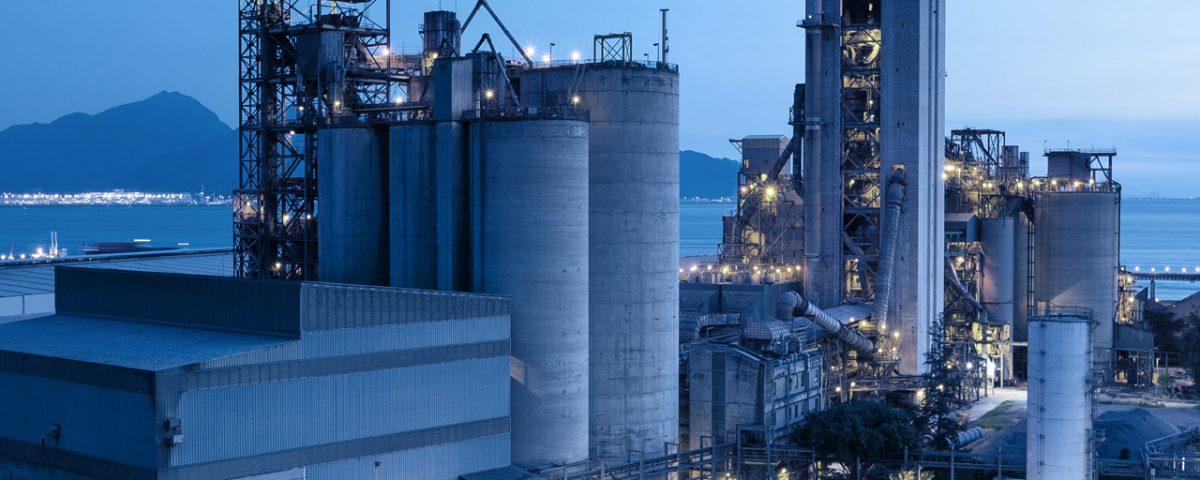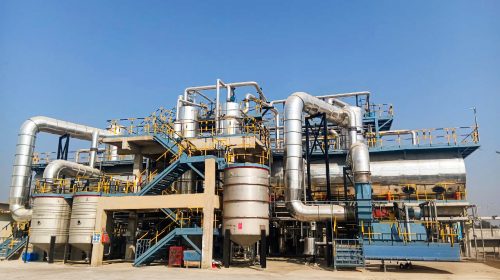

Sludge Management Systems
Sludge Management & Dewatering Systems
Solid–Liquid Separation Engineering & Volume Reduction Technology
Introduction to Sludge Engineering
Sludge is an unavoidable byproduct of water and wastewater treatment processes. Whether generated from chemical precipitation, biological oxidation, or clarification stages, sludge contains concentrated solids suspended in high volumes of water. In most treatment plants, sludge consists of 95–99% moisture, making transportation, disposal, and handling economically and environmentally challenging.
Sludge management is not merely disposal—it is a specialized branch of solid–liquid separation engineering focused on:
- Volume reduction
- Moisture removal
- Stabilization
- Cost minimization
- Environmental compliance
Efficient sludge management significantly reduces operating expenses and improves overall plant sustainability.
Nature & Composition of Sludge
Sludge characteristics vary depending on treatment process.
1. Primary Sludge
Generated from primary clarifiers.
Contains:
- Settled suspended solids
- Inorganic particles
- Organic matter
Higher density, relatively easier to dewater.
2. Secondary (Biological) Sludge
Generated from biological treatment systems.
Contains:
- Microbial biomass
- Organic solids
- High water retention capacity
More difficult to dewater due to fine particle structure and bound water.
3. Chemical Sludge
Produced during:
- Coagulation
- Flocculation
- Heavy metal precipitation
Contains chemical precipitates and reaction residues.
Sludge Handling Objectives
A professionally engineered sludge management system aims to:
- Reduce sludge volume
- Increase dry solids percentage
- Minimize disposal cost
- Prevent odor
- Ensure environmental compliance
- Stabilize sludge for safe handling
Sludge Thickening
Before mechanical dewatering, sludge is often thickened to reduce water content.
Methods:
- Gravity thickening
- Dissolved air flotation
- Mechanical thickening
Engineering Considerations:
- Sludge concentration
- Retention time
- Mixing intensity
- Polymer dosing
Thickening increases solids concentration from approximately 1% to 4–6%.
Sludge Conditioning
Sludge conditioning improves dewatering performance.
Polymer Conditioning
Polymers neutralize surface charges and bind fine particles together.
Engineering factors:
- Polymer type (cationic/anionic)
- Solution preparation concentration
- Aging time
- Injection location
- Mixing energy
Optimized conditioning:
- Reduces filtration resistance
- Increases cake dryness
- Reduces polymer consumption
Improper dosing increases operational cost and reduces dewatering efficiency.
Mechanical Dewatering Technologies
Mechanical dewatering removes free water from sludge using pressure and filtration.
1. Screw Press Dewatering System
Operates using slow rotational compression within a cylindrical screen.
Advantages:
- Continuous operation
- Low energy consumption
- Compact footprint
- Low noise
- Stable torque control
Performance Indicators:
- Cake dryness: 18–25% solids
- Polymer consumption rate
- Throughput capacity
Suitable for STP and ETP sludge.
2. Belt Filter Press
Uses gravity drainage followed by compression between moving belts.
Advantages:
- Moderate dryness
- Continuous operation
- Widely adopted technology
Requires:
- Regular belt cleaning
- Proper tension control
- Polymer optimization
3. Filter Press
Uses high-pressure plate filtration.
Advantages:
- High cake dryness (up to 30–40%)
- Suitable for chemical sludge
Disadvantages:
- Batch operation
- Higher manual intervention
4. Centrifuge
Uses centrifugal force for separation.
Advantages:
- High throughput
- Compact design
Disadvantages:
- Higher energy consumption
- Higher maintenance cost
Engineering Parameters in Dewatering Design
1. Dry Solids Percentage
Primary performance indicator.
Higher solids reduce transportation cost.
2. Specific Resistance to Filtration (SRF)
Indicates sludge dewaterability.
3. Throughput Capacity
Measured in kg DS/hour.
4. Polymer Consumption Ratio
Chemical cost directly impacts operating expense.
5. Torque Stability
Ensures mechanical reliability under load variation.
Sludge Drying & Advanced Volume Reduction
In high-recovery systems, sludge may undergo further drying.
Methods include:
- Solar drying beds
- Mechanical dryers
- Thermal drying
Thermal drying reduces moisture to below 10%, significantly reducing disposal volume.
Integration with Treatment Plants
Sludge management must integrate with:
- Clarifiers
- Biological reactors
- Chemical dosing systems
- Equalization tanks
Improper sludge withdrawal can:
- Disrupt biological balance
- Cause overflow
- Increase turbidity
- Lead to odor generation
Balanced sludge removal maintains process stability.
Odor & Stability Control
Sludge decomposition generates hydrogen sulfide and methane under anaerobic conditions.
Prevention measures:
- Timely dewatering
- Adequate aeration
- Covered storage tanks
- Ventilation systems
Stable sludge handling prevents nuisance and regulatory issues.
Energy Optimization in Sludge Systems
Energy consumption depends on:
- Dewatering technology
- Motor sizing
- Mechanical efficiency
- Operating hours
Optimization strategies:
- Proper equipment selection
- Avoid oversized motors
- Maintain optimal torque
- Scheduled maintenance
Efficient dewatering significantly lowers lifecycle cost.
Automation & Monitoring
Modern sludge systems incorporate:
- Torque sensors
- Pressure monitoring
- Flow control systems
- Automated polymer dosing
- PLC-based control panels
Automation ensures:
- Stable dryness
- Reduced operator dependency
- Alarm-based shutdown
- Performance tracking
Disposal & Environmental Compliance
Dewatered sludge must comply with regulatory norms.
Disposal options:
- Landfill
- Composting
- Co-processing in cement plants
- Incineration
Metal content and toxicity determine disposal route.
Proper dewatering reduces transportation frequency and landfill burden.
Operational Challenges & Solutions
Problem
Cause
Engineering Solution
Low cake dryness
Poor conditioning
Optimize polymer
High polymer cost
Overdosing
Calibrate dosing
Excess vibration
Imbalance
Mechanical inspection
Sludge carryover
Overloading
Adjust feed rate
Odor issues
Delayed dewatering
Improve scheduling
Reliability & Durability Engineering
Long-term performance requires:
- Corrosion-resistant materials
- Wear-resistant screw elements
- Proper bearing design
- Seal integrity
- Routine inspection
Predictive maintenance includes:
- Torque monitoring
- Vibration analysis
- Polymer consumption tracking
- Performance data logging
Economic Impact of Sludge Management
Sludge disposal accounts for a significant portion of total treatment cost.
Effective dewatering:
- Reduces disposal volume by up to 70–80%
- Decreases transportation cost
- Minimizes landfill usage
- Improves plant efficiency
Engineering investment in sludge systems provides rapid cost recovery.
Integrated Engineering Philosophy
Sludge management must be viewed as a core process component, not a secondary accessory.
Successful integration requires:
- Coordinated chemical dosing
- Balanced sludge withdrawal
- Stable biological operation
- Proper mechanical selection
- Energy optimization
- Automation control
Holistic design ensures long-term sustainability.
Conclusion
Sludge Management & Dewatering Systems are essential components of modern water and wastewater treatment infrastructure. Efficient solid–liquid separation reduces operational cost, environmental impact, and regulatory risk.
A professionally engineered sludge management system delivers:
- Higher dry solids percentage
- Lower disposal cost
- Stable mechanical performance
- Reduced energy consumption
- Long-term reliability
- Environmental compliance
Precision in sludge engineering transforms waste handling into a controlled and optimized operational process.