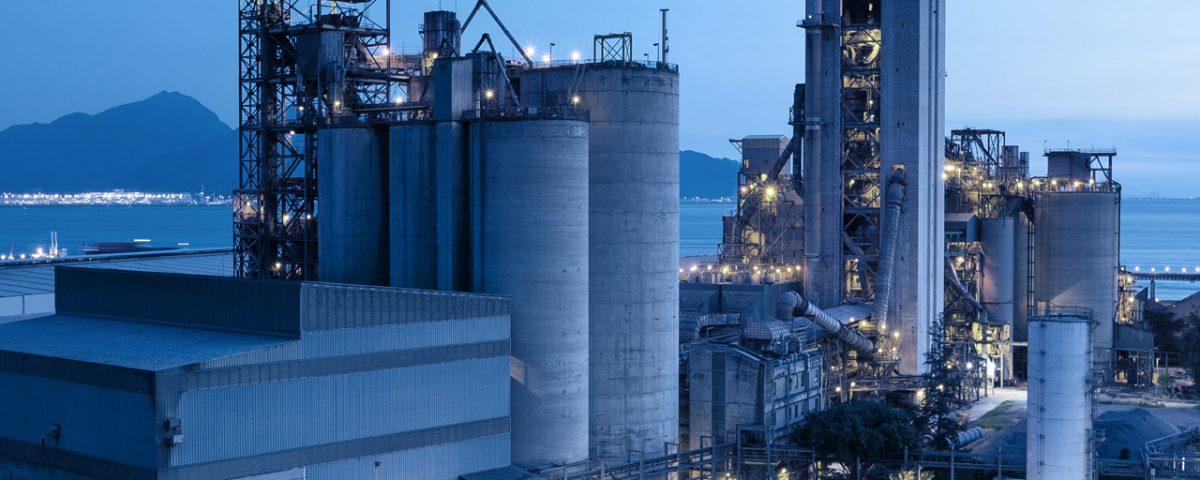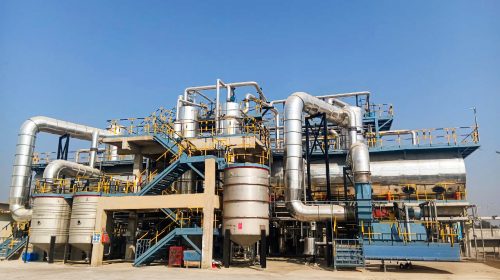

Sewage Treatment Plants (STP)
Sewage Treatment Plants (STP)
Biological Process Optimization & Advanced Wastewater Engineering
Introduction to Modern STP Engineering
Sewage Treatment Plants (STPs) are engineered biological systems designed to treat domestic wastewater generated from residential complexes, townships, commercial buildings, hospitals, institutions, hotels, and municipalities. The objective is to convert contaminated sewage into environmentally safe discharge or reusable water through controlled biological and physical processes.
Modern STPs are not simple sedimentation systems. They are microbiologically driven reactors supported by mechanical, hydraulic, and automation infrastructure. Their performance depends on precise control of:
- Biological kinetics
- Oxygen transfer efficiency
- Hydraulic retention time
- Sludge age and biomass concentration
- Nutrient transformation cycles
A properly engineered STP ensures:
- 85–95% BOD removal
- Stable COD reduction
- Suspended solids removal
- Nutrient control
- Odor-free operation
- Regulatory compliance
- Reusable treated water
Characteristics of Domestic Sewage
Typical sewage parameters:
- BOD: 200–350 mg/L
- COD: 400–600 mg/L
- TSS: 250–400 mg/L
- Ammonia: 20–50 mg/L
- pH: 6.5–8.5
Domestic sewage primarily contains:
- Biodegradable organic matter
- Suspended solids
- Nitrogen and phosphorus
- Pathogenic microorganisms
- Oils and grease
- Detergents and surfactants
Though composition is relatively predictable, hydraulic flow varies significantly during peak hours. Engineering design must accommodate peak flow rates up to 3–4 times the average daily flow.
Stage 1 – Preliminary Treatment
Screening
Screens remove large solids such as plastics, cloth, and debris to protect pumps and downstream equipment.
Design considerations:
- Bar spacing selection
- Channel velocity control
- Manual or mechanical cleaning system
- Head loss management
Proper screening prevents clogging and reduces maintenance frequency.
Grit Removal
Grit chambers remove sand, stones, and heavy inorganic particles.
Engineering principles:
- Controlled flow velocity to allow grit settlement
- Retention time optimization
- Prevention of organic matter settlement
Grit removal reduces abrasion in pumps and pipelines.
Stage 2 – Equalization & Flow Stabilization
Equalization tanks buffer hydraulic and organic load variation before biological treatment.
Design objectives:
- Maintain stable influent concentration
- Prevent biological shock
- Avoid septic conditions
- Improve aeration efficiency
Key parameters:
- Hydraulic Retention Time: 4–8 hours
- Continuous mixing or aeration
- Controlled inlet distribution
Stable equalization ensures predictable oxygen demand in the aeration tank.
Stage 3 – Biological Treatment (Core Process)
Biological treatment is the central component of STP operation. It relies on aerobic microorganisms to oxidize organic matter.
Activated Sludge Process
Microbial oxidation reaction:
Organic Matter + Oxygen → Carbon dioxide + Water + Biomass + Energy
Critical control parameters:
- MLSS (Mixed Liquor Suspended Solids): 2500–4500 mg/L
- F/M Ratio (Food-to-Microorganism)
- Sludge Retention Time (SRT)
- Dissolved Oxygen (DO): 1.5–3.0 mg/L
Maintaining appropriate SRT ensures stable microbial population and prevents sludge bulking.
Aeration Engineering
Aeration performs two functions:
- Oxygen supply for microbial respiration
- Mixing to maintain biomass suspension
Oxygen transfer depends on:
- Airflow rate
- Bubble size
- Tank depth
- Diffuser efficiency
- Wastewater characteristics
Insufficient oxygen causes:
- Odor generation
- Poor BOD removal
- Sludge bulking
Excess oxygen leads to unnecessary power consumption.
Proper blower sizing and airflow control are essential for energy-efficient operation.
Advanced Biological Reactor Technologies
Moving Bed Biofilm Reactor (MBBR)
MBBR uses floating media to support biofilm growth.
Advantages:
- Higher biomass concentration
- Better resistance to shock loads
- Reduced tank volume requirement
- Lower sludge generation
Engineering considerations:
- Media fill ratio
- Aeration intensity
- Mixing efficiency
- Biofilm thickness control
Sequential Batch Reactor (SBR)
SBR operates in time-based cycles within a single tank.
Cycle phases:
- Fill
- Aerate
- Settle
- Decant
Advantages:
- Compact design
- Flexible operation
- High treatment efficiency
Requires precise automation for cycle control.
Membrane Bioreactor (MBR)
MBR integrates biological treatment with membrane filtration.
Benefits:
- High MLSS concentration (up to 10,000 mg/L)
- Superior treated water quality
- Elimination of secondary clarifier
- Reduced footprint
Critical engineering parameters:
- Transmembrane pressure
- Flux rate
- Fouling control
- Air scouring intensity
MBR systems are ideal for high-quality water reuse applications.
Secondary Clarification
After biological treatment, biomass is separated from treated water.
Design considerations:
- Surface overflow rate
- Sludge blanket depth
- Return Activated Sludge (RAS) ratio
- Hydraulic loading rate
Proper sludge return maintains stable MLSS concentration.
Nutrient Removal Engineering
Modern regulations often require nitrogen and phosphorus removal.
Nitrogen Removal
Occurs in two stages:
- Nitrification (aerobic conversion of ammonia to nitrate)
- Denitrification (anoxic conversion of nitrate to nitrogen gas)
Requires alternating aerobic and anoxic zones.
Phosphorus Removal
Can be achieved through:
- Enhanced biological uptake
- Chemical precipitation
Effective nutrient removal prevents eutrophication in receiving water bodies.
Tertiary Treatment & Water Polishing
Tertiary treatment improves effluent quality for reuse.
Common systems:
- Pressure Sand Filters
- Activated Carbon Filters
- Ultrafiltration
- Disinfection systems
Objectives:
- Remove residual turbidity
- Improve clarity
- Eliminate pathogens
Disinfection Engineering
Disinfection eliminates harmful microorganisms.
Methods include:
- Chlorination
- UV radiation
- Ozonation
Design must ensure adequate contact time and dosage control.
Sludge Management
Biological treatment generates excess sludge.
Processing stages:
- Sludge thickening
- Conditioning
- Mechanical dewatering
Performance indicators:
- Dry solids percentage
- Polymer consumption rate
- Cake dryness
- Disposal volume reduction
Efficient sludge management reduces operational cost and environmental impact.
Odor Control
Odor generation occurs due to anaerobic decomposition.
Prevention methods:
- Adequate aeration
- Timely sludge removal
- Proper mixing
- Ventilation systems
Maintaining oxygen levels prevents hydrogen sulfide formation.
Energy Optimization
Aeration accounts for 50–70% of STP energy consumption.
Optimization strategies:
- Accurate blower selection
- Variable frequency drives
- DO-based automation
- Efficient diffuser layout
- Preventive maintenance
Energy-efficient design reduces lifecycle cost significantly.
Automation & Monitoring
Modern STPs integrate:
- Dissolved Oxygen sensors
- pH probes
- Flow meters
- PLC-based control systems
- Alarm and data logging systems
Automation ensures:
- Stable oxygen levels
- Reduced chemical overdosing
- Process transparency
- Compliance documentation
Operational Challenges & Solutions
Problem
Cause
Engineering Solution
Sludge bulking
Low DO or improper SRT
Optimize aeration & sludge age
Foaming
Filamentous bacteria
Adjust F/M ratio
High BOD in outlet
Hydraulic overloading
Increase retention time
Odor issues
Anaerobic pockets
Improve mixing
Membrane fouling
High solids
Strengthen pretreatment
Water Reuse Applications
Treated sewage can be reused for:
- Landscaping and gardening
- Cooling tower makeup
- Flushing systems
- Construction water
- Industrial utility applications
Water reuse reduces freshwater dependency and supports sustainable development.
Integrated Engineering Approach
An STP is a biologically active ecosystem supported by mechanical and automation systems. Successful design integrates:
- Hydraulic stability
- Oxygen transfer efficiency
- Microbial population control
- Sludge management
- Energy optimization
- Automation intelligence
Balanced engineering ensures:
- Long-term operational reliability
- Regulatory compliance
- Low operating cost
- High-quality reusable water
Conclusion
Sewage Treatment Plants are critical environmental infrastructure supporting urban growth and sustainable development. Their effectiveness depends on precise biological control, stable aeration systems, reliable sludge handling, and intelligent automation.
A professionally engineered STP delivers:
- High organic load reduction
- Nutrient control
- Odor-free operation
- Energy-efficient performance
- Long-term regulatory compliance
- Sustainable water reuse capability