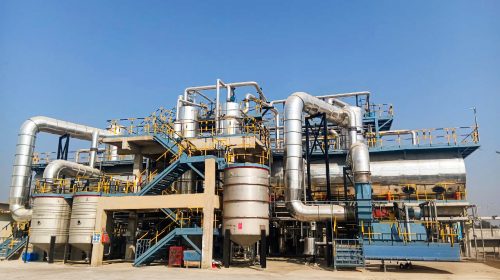

Process Air Systems
Process Air Systems
Industrial Blower Engineering & Pressure–Flow Control Systems
Introduction to Process Air Engineering
Process air systems are critical mechanical infrastructures used across industrial plants for aeration, pneumatic conveying, combustion support, vacuum generation, drying, cooling, and fluidization processes. Unlike general ventilation systems, process air systems are engineered for precise volumetric control, pressure stability, and continuous-duty operation.
Industrial air applications demand:
- Stable airflow under variable backpressure
- Controlled discharge pressure
- High volumetric efficiency
- Mechanical reliability under 24/7 operation
- Low vibration and thermal stability
Improper airflow design can result in:
- Process instability
- Uneven combustion
- Biological treatment failure
- Equipment damage
- Excessive energy consumption
Process air engineering integrates fluid dynamics, thermodynamics, mechanical design, and system balancing principles.
Fundamentals of Industrial Airflow Engineering
Air systems operate based on key physical relationships:
1. Flow Rate (Q)
Measured in m³/hr or CFM.
Determines process capacity.
2. Pressure (P)
Measured in mbar, bar, or psi.
Required to overcome system resistance.
3. Power (kW)
Power requirement increases with both flow and pressure.
4. System Resistance
Includes:
- Pipe friction
- Valve losses
- Diffuser resistance
- Elevation head
Blower selection must match both flow demand and total dynamic pressure.
Types of Industrial Blowers
1. Positive Displacement Blowers (Roots Type)
Operate by trapping fixed volumes of air and displacing them mechanically.
Characteristics:
- Constant volumetric output
- Stable airflow under pressure variation
- Suitable for medium-pressure applications
- Oil-free air delivery
Applications:
- Aeration systems
- Pneumatic conveying
- Gas boosting
- Fluidization systems
2. Centrifugal Blowers
Use high-speed impellers to impart velocity to air.
Characteristics:
- Variable flow depending on pressure
- Suitable for large airflow at lower pressure
- Efficient in ventilation systems
3. Vacuum Blowers
Designed for negative pressure applications.
Used in:
- Vacuum filtration
- Pneumatic suction
- Centralized vacuum systems
Positive Displacement Blower Engineering
Positive displacement blowers are widely used in wastewater and industrial applications due to pressure stability.
Working Principle
Two synchronized lobed rotors rotate in opposite directions inside a casing. Air is trapped between rotor and casing and pushed toward discharge without internal compression.
Engineering Advantages
- Fixed displacement per revolution
- Stable performance under fluctuating resistance
- Continuous-duty operation
- High mechanical reliability
- Minimal flow variation
Key Design Parameters
1. Volumetric Efficiency
Determines effective air delivery.
2. Rotor Timing Accuracy
Critical for minimizing internal leakage.
3. Clearance Tolerance
Affects performance and thermal expansion compensation.
4. Bearing Life Calculation
Based on radial and axial load analysis.
5. Heat Dissipation
Cooling systems prevent overheating during continuous operation.
Applications of Process Air Systems
1. Aeration in STP & ETP
Air supply maintains dissolved oxygen levels for biological oxidation.
Requirements:
- Stable volumetric output
- Continuous 24-hour operation
- Pressure compensation for diffuser resistance
2. Pneumatic Conveying
Used to transport powders and granules.
Engineering focus:
- Air velocity control
- Prevent pipeline blockage
- Minimize material degradation
3. Combustion Air Supply
Industrial furnaces require precise air-fuel ratio control.
Inaccurate airflow results in:
- Incomplete combustion
- Higher fuel consumption
- Increased emissions
4. Fluidization Systems
Air suspends solid particles in reactors.
Requires:
- Uniform airflow distribution
- Controlled pressure
- Stable operation
5. Vacuum Applications
Used in:
- Sludge drying
- Filtration systems
- Industrial suction
Requires consistent negative pressure stability.
Pressure & Flow Control Engineering
Process air systems must account for:
- Pressure drop across pipelines
- Temperature rise during compression
- Leakage losses
- Noise control
System design includes:
- Proper pipe diameter selection
- Smooth bends to reduce friction loss
- Safety relief valves
- Non-return valves
- Flow meters
Improper sizing increases energy consumption and reduces system life.
Energy Optimization in Air Systems
Air systems are significant energy consumers in industrial plants.
Optimization strategies:
- Accurate blower sizing
- Variable Frequency Drives (VFD)
- Leak detection and repair
- Minimized pressure margins
- Proper maintenance
Even small pressure reductions can significantly lower power consumption.
Noise & Vibration Control
Blowers generate mechanical noise and vibration.
Mitigation methods:
- Acoustic enclosures
- Flexible connectors
- Proper foundation alignment
- Dynamic balancing
- Silencers on suction and discharge
Proper vibration control extends equipment life.
Thermal Management
Air compression increases temperature.
Temperature control measures include:
- Adequate ventilation
- Cooling fans
- Intercoolers (if required)
- Temperature monitoring
Overheating reduces bearing life and efficiency.
Automation & Monitoring
Modern process air systems integrate:
- Pressure transmitters
- Flow sensors
- Temperature sensors
- VFD control panels
- PLC-based automation
Automation ensures:
- Stable pressure control
- Energy optimization
- Early fault detection
- Load-based speed adjustment
Reliability Engineering
Long-term durability depends on:
- Rotor precision machining
- High-grade bearings
- Corrosion-resistant casing
- Shaft alignment accuracy
- Proper lubrication
Predictive maintenance includes:
- Vibration monitoring
- Oil analysis
- Temperature trend analysis
- Power consumption tracking
Operational Challenges & Solutions
Issue
Cause
Engineering Solution
Excess vibration
Misalignment
Realign shafts
Overheating
Insufficient ventilation
Improve cooling
Low airflow
Leak or wear
Inspect clearances
High power use
Overpressure
Optimize system pressure
Noise issues
Lack of silencing
Install silencers
Safety Considerations
Air systems must incorporate:
- Pressure relief valves
- Overload protection
- Emergency shutdown systems
- Proper grounding
- Guarded rotating components
Safety design protects both equipment and operators.
Integration with Industrial Systems
Process air systems must integrate with:
- Biological reactors
- Chemical dosing systems
- Pneumatic conveying networks
- Combustion chambers
- Filtration units
Integrated engineering ensures balanced pressure distribution and reliable operation.
Environmental & Efficiency Impact
Efficient process air systems contribute to:
- Reduced energy consumption
- Lower carbon footprint
- Stable biological treatment
- Improved combustion efficiency
- Reduced mechanical wear
Air system optimization directly impacts plant sustainability.
Conclusion
Process Air Systems are critical mechanical infrastructures that support biological, chemical, and material-handling processes across industries. Their performance depends on precision engineering in flow control, pressure stability, mechanical reliability, and energy optimization.
A professionally engineered air system delivers:
- Stable volumetric airflow
- Continuous-duty reliability
- Energy-efficient performance
- Low vibration and noise
- Long mechanical life
- Integrated process stability
Precision in blower engineering transforms air supply from a utility function into a process-critical performance driver.