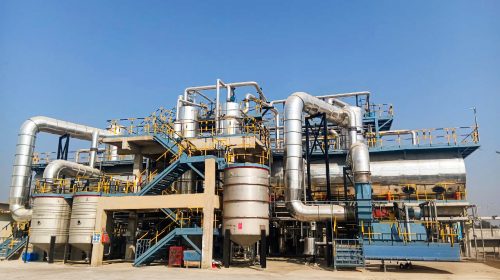

Chemical Dosing Systems
Chemical Dosing Systems
Precision Reaction Control & Fluid Injection Engineering
Introduction to Chemical Dosing Engineering
Chemical dosing systems are precision-engineered mechanisms designed to inject controlled quantities of chemicals into water, wastewater, or process streams. In industrial treatment systems, dosing is not merely pumping chemicals — it is reaction control engineering governed by stoichiometry, fluid dynamics, pressure behavior, and process feedback logic.
Accurate dosing determines:
- Reaction efficiency
- Process stability
- Chemical consumption rate
- Sludge formation volume
- Equipment protection
- Regulatory compliance
Overdosing results in chemical wastage and downstream complications. Underdosing leads to incomplete reactions and treatment failure. Therefore, chemical dosing systems must be designed with volumetric accuracy, pressure stability, and automation integration.
Fundamentals of Dosing System Design
A chemical dosing system typically consists of:
- Chemical storage tank
- Agitator (if required)
- Metering pump
- Suction and discharge piping
- Non-return valve
- Pressure relief valve
- Pulsation dampener
- Flow control system
- Instrumentation and control panel
Each component is selected based on process requirements and chemical properties.
Types of Chemicals Used in Treatment Systems
Chemical dosing is required across multiple industrial applications.
1. pH Correction Chemicals
- Sulfuric acid
- Hydrochloric acid
- Sodium hydroxide
- Lime
Purpose: Maintain optimal pH for reaction efficiency and equipment protection.
2. Coagulants
- Alum
- Ferric chloride
- Polyaluminium chloride (PAC)
Purpose: Neutralize particle charge for solid-liquid separation.
3. Flocculants
- Cationic polymers
- Anionic polymers
Purpose: Aggregate destabilized particles into settleable flocs.
4. Disinfectants
- Sodium hypochlorite
- Chlorine solution
Purpose: Pathogen elimination.
5. Anti-Scalants & Corrosion Inhibitors
Used in:
- RO systems
- Cooling towers
- Boiler systems
Purpose: Prevent scaling and protect pipelines.
Metering Pump Engineering
The metering pump is the heart of the dosing system.
Positive Displacement Principle
Most dosing pumps operate on positive displacement mechanisms, ensuring fixed volume delivery per stroke.
Types include:
- Diaphragm metering pumps
- Plunger metering pumps
- Solenoid-driven pumps
Critical Engineering Parameters
1. Flow Accuracy
Typically ±1–2% accuracy is required.
2. Stroke Length & Frequency Control
Allows linear adjustment of dosing rate.
3. Discharge Pressure Rating
Pump must overcome system backpressure.
4. Chemical Compatibility
Materials must resist corrosion and chemical attack.
5. Anti-Siphon Protection
Prevents uncontrolled chemical flow due to gravity.
Stoichiometric Control & Reaction Efficiency
Dosing calculations are based on mass balance principles.
Example for neutralization:
Required alkali dose depends on:
- Influent acidity
- Flow rate
- Desired outlet pH
Overdosing can cause:
- Scaling
- Sludge excess
- Increased chemical cost
Underdosing results in:
- Incomplete neutralization
- Poor coagulation
- Regulatory non-compliance
Precise control ensures optimized reaction kinetics.
Mixing & Contact Engineering
Proper chemical mixing is as important as accurate dosing.
Engineering considerations:
- Rapid mix tank design
- Mixing energy (G-value)
- Retention time
- Avoidance of short-circuiting
Inadequate mixing leads to localized overdosing and poor reaction uniformity.
Dosing in Effluent Treatment Plants (ETP)
In ETP systems, dosing is required for:
- Neutralization
- Coagulation
- Flocculation
- Heavy metal precipitation
- Sludge conditioning
Engineering focus includes:
- Multi-chemical dosing panels
- Interlocked control logic
- Automated pH-based adjustment
- Redundant pump configuration
Proper dosing reduces sludge volume and operating cost.
Dosing in Sewage Treatment Plants (STP)
In STP systems, chemical dosing is used for:
- pH correction
- Phosphorus removal
- Odor control
- Disinfection
Integration with biological systems requires careful control to avoid microbial shock.
Dosing in RO & Filtration Systems
In membrane systems, dosing protects membranes.
Applications include:
- Anti-scalant injection
- Chlorine dosing (pre-treatment)
- Dechlorination (post-treatment)
- pH adjustment
Precise dosing prevents:
- Membrane fouling
- Scaling
- Irreversible damage
Sludge Conditioning Dosing
Polymer dosing improves sludge dewatering efficiency.
Key factors:
- Polymer type selection
- Solution preparation concentration
- Aging time
- Injection location
- Mixing intensity
Optimized polymer dosing increases cake dryness and reduces disposal cost.
Automation & Control Systems
Modern dosing systems integrate:
- Flow meters
- pH sensors
- ORP sensors
- PLC-based control panels
- Alarm systems
Control logic may include:
- Flow-proportional dosing
- pH-based automatic adjustment
- Time-based dosing cycles
- Remote monitoring capability
Automation ensures stable performance with minimal operator intervention.
Safety & Chemical Handling Engineering
Chemical dosing systems must address safety risks.
Safety considerations:
- Secondary containment
- Leak detection
- Emergency shut-off valves
- Corrosion-resistant materials
- Ventilation systems
- Proper labeling and storage
Industrial design must prioritize operator safety and environmental protection.
Energy Optimization
Dosing systems consume relatively low power but can impact overall process cost through chemical overuse.
Optimization strategies:
- Accurate pump calibration
- Avoid excessive pressure
- Proper pipe sizing
- Prevent leakage
- Regular maintenance
Chemical cost savings often exceed energy savings.
Common Operational Challenges
Issue
Cause
Engineering Solution
Inconsistent dosing
Air lock in pump
Install air vent system
Overdosing
Incorrect calibration
Periodic recalibration
Corrosion failure
Incompatible materials
Upgrade material grade
Pulsation issues
Pump stroke fluctuation
Install dampener
Chemical wastage
Manual control error
Automate system
Reliability & Maintenance
Long-term stability requires:
- Regular diaphragm inspection
- Seal replacement
- Calibration checks
- Cleaning of suction filters
- Pressure monitoring
Predictive maintenance reduces downtime.
Integrated Engineering Philosophy
Chemical dosing systems must integrate with:
- ETP plants
- STP systems
- UF & RO plants
- Cooling tower systems
- Boiler feed systems
Integration ensures reaction synchronization with hydraulic and biological processes.
Conclusion
Chemical dosing systems are precision reaction control mechanisms essential for industrial water and wastewater treatment. Their performance directly affects treatment efficiency, chemical cost, sludge generation, and regulatory compliance.
A properly engineered dosing system delivers:
- Accurate volumetric injection
- Stable pressure compensation
- Optimized chemical consumption
- Process stability
- Long-term reliability
- Safe chemical handling
Precision in dosing engineering transforms chemical consumption from an expense into a controlled operational strategy.